
The valley where the Gospel was walked
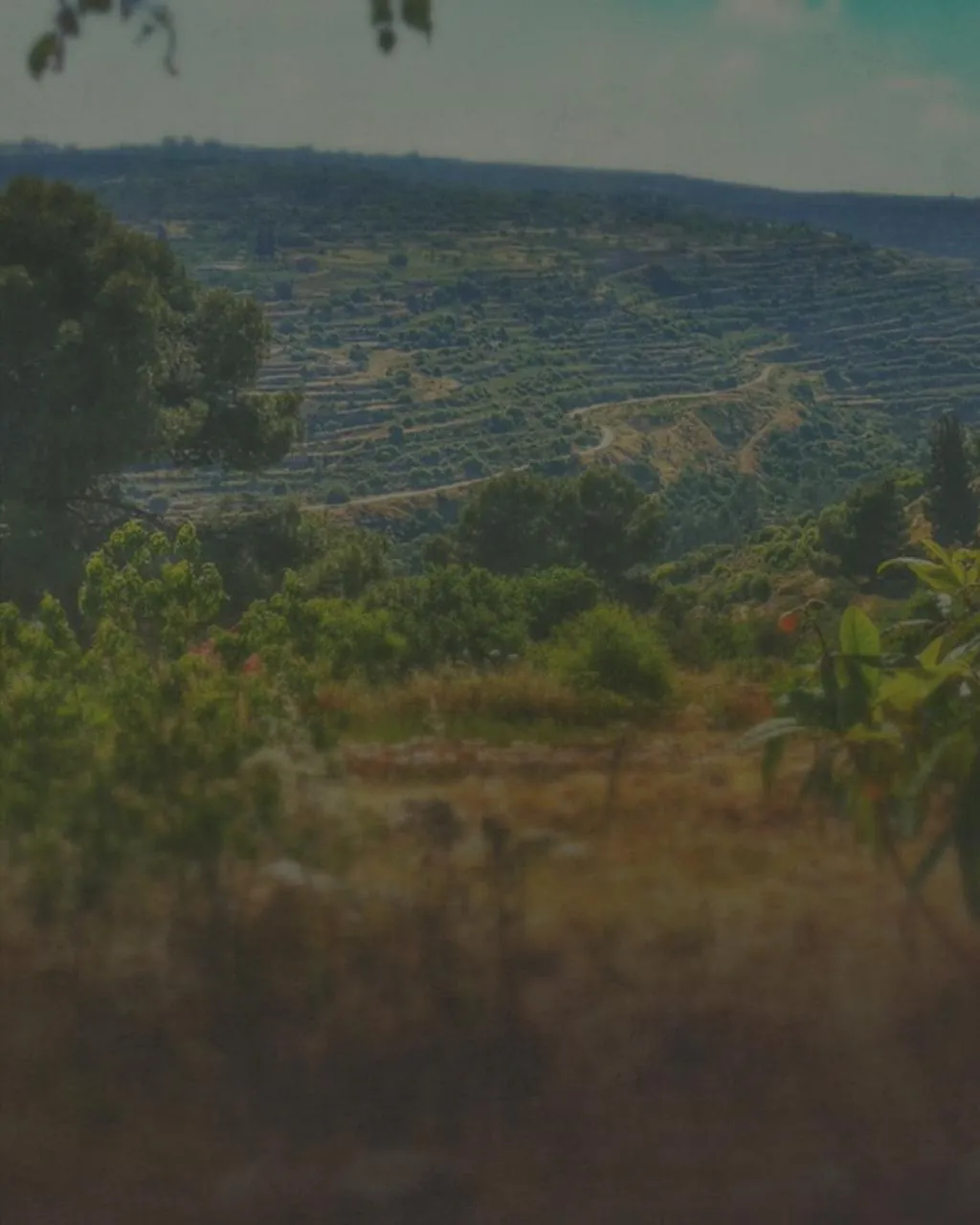
Al-Makhrour is not just a name on a map. It is a thousand-year-old agricultural landscape, a UNESCO World Heritage site, and the last place near Bethlehem where a Christian family still farms their ancestral land.
The facts about Al-Makhrour
- Location
- Beit Jala, Bethlehem Governorate, West Bank
- UNESCO designation
- Part of the Land of Olives and Vines World Heritage Site (inscribed 2014)
- Agricultural history
- Continuous olive, fig, and vine cultivation for over 1,000 years
- The Kisiya land
- 40+ dunams of terraced agricultural land, registered under Ottoman, British, and Jordanian records
- Christian presence
- One of the last remaining Christian-owned farming landscapes in the Bethlehem hills
- Threat
- Settlement expansion, JNF-linked land claims, demolition orders, and reclassification as "state land"
The olive tree, the vine, the fig
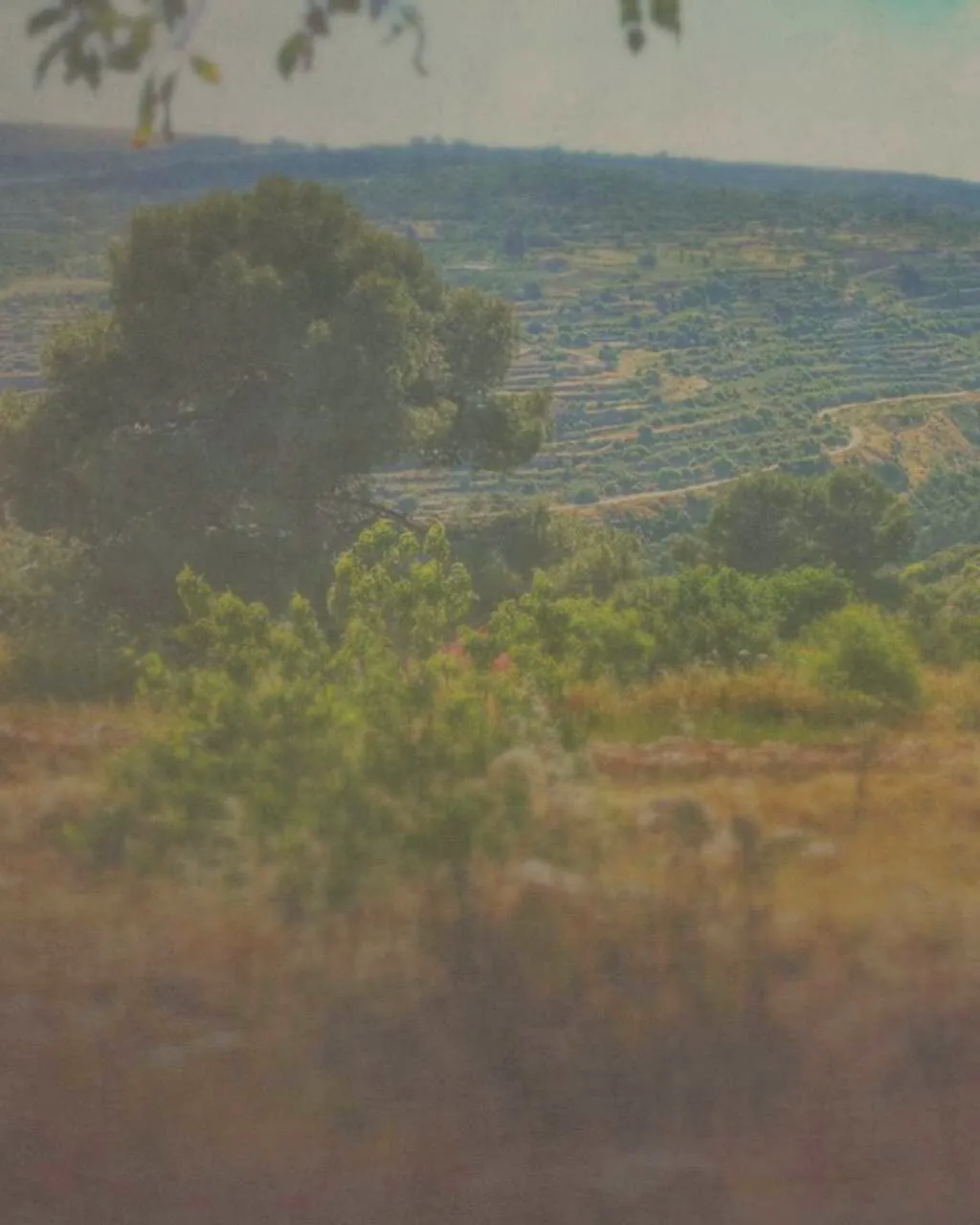
The land of Al-Makhrour is not background to the Gospel story. It is the landscape the Gospel describes — and it is still here, still lived in, still farmed.
“But I am like an olive tree flourishing in the house of God; I trust in God's unfailing love for ever and ever.”
The olive tree as a symbol of trust, rootedness, and God's faithfulness — the same tree that Alice's family has farmed for generations.
“Everyone will sit under their own vine and under their own fig tree, and no one will make them afraid.”
The ancient vision of peace and landedness — the vine and the fig tree, the fruits of the terraces of Al-Makhrour.
“I am the true vine... Remain in me, as I also remain in you. No branch can bear fruit by itself; it must remain in the vine.”
The vineyard as the language of covenant — presence, rootedness, belonging. The very language of the land Alice is defending.
The broader context
Palestinian Christians and the land
The Christian community of Bethlehem has declined sharply in recent decades. Families leave because of economic pressure, restricted movement, and the difficulty of holding onto land. Al-Makhrour represents one of the last cases where a Christian family is actively fighting to stay.
The UNESCO designation of the surrounding landscape recognizes what indigenous farming communities have maintained for millennia. That recognition means little without living families to steward the land.
When Alice says "we are not defeated," she speaks not just for her family but for every Palestinian Christian community that is watching to see whether the global church will show up.
~1%
of Bethlehem's population is now Christian, down from ~80% in 1948
Source: National Catholic Reporter2014
Year the surrounding Land of Olives and Vines was inscribed as a UNESCO World Heritage Site
Source: UNESCO1,000+
Years of continuous agricultural use of the terraces in Al-Makhrour
Who's behind this campaign?
The Save Al-Makhrour Initiative is a grassroots Palestinian movement founded in Beit Jala — combining legal aid, environmental stewardship, and humanitarian support to keep families on this land.
Give
Your gift keeps Alice on her land
The legal battle continues. The terraces need replanting. Sustained giving is what makes it possible for Alice to stay on Al-Makhrour, to rebuild what was destroyed, and to set a precedent for Palestinian Christian land rights.
- $50Replants olive seedlings in the ancient terrace
- $100Covers a day of legal defense
- $500Funds a court filing
Stand with Alice
One-time or monthly — every gift goes to the legal defense and land restoration of Al-Makhrour.
Donate nowSecure · tax-deductible where applicable